 جستجو برای ...
 نظافت
نظافت
 مراقبت شخصی
 مراقبت از ماشین
 مراقبت از حیوانات خانگی
 مقالات فیلتر روغن پخت و پز
-
پارچه تمیز کننده یکبار مصرف یکبار مصرف نرم برای مراقبت های پاکسازی
معرفی راه حل نهایی برای مراقبت های ملایم و در عین حال
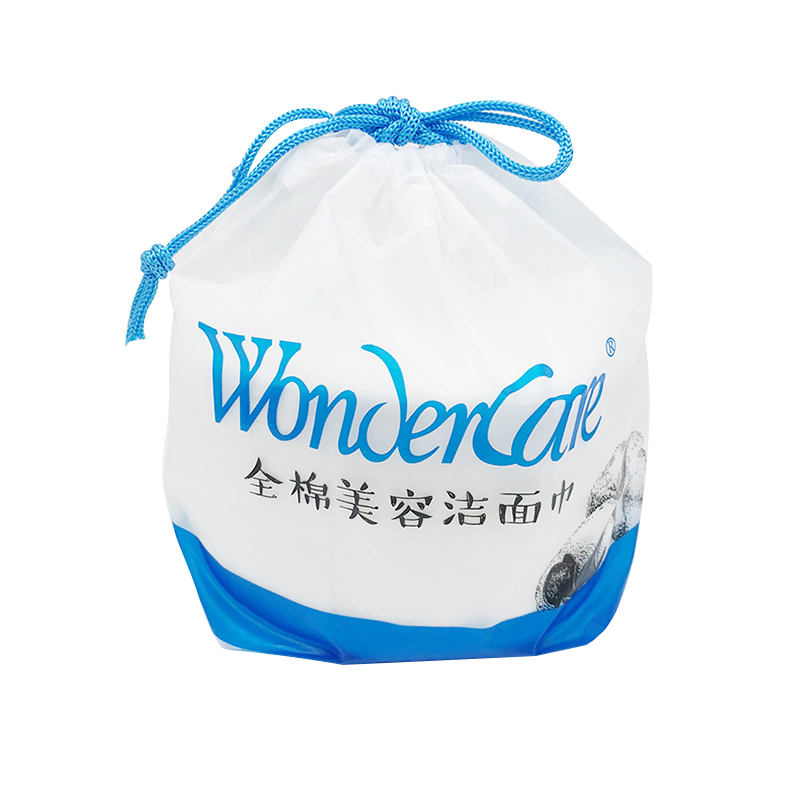
دستمال مرطوب شخصی

-
ویسکوز پلی استر پارچه غیر بافته بزرگسالان برای پاک کردن بدن ، پاک کردن دست
پارچه پلی استر ویسکوز ما برای پاک کردن بدن برای پاک کر
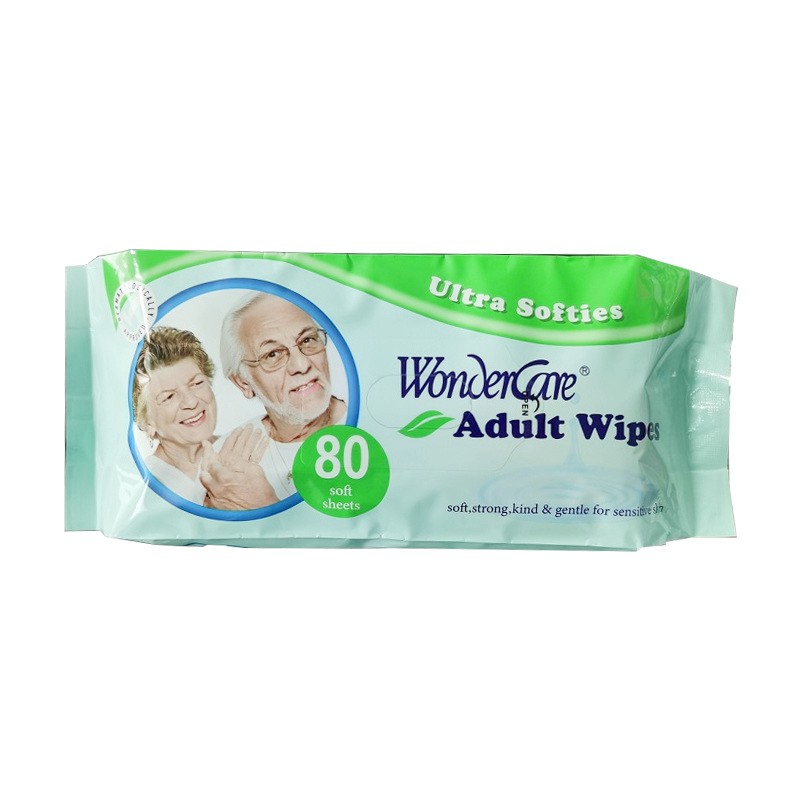
دستمال مرطوب شخصی
-
دستمال مرطوب کننده عطر و بوی بدون تحریک کودک
معرفی دستمال مرطوب کننده بدون آب و هوای بدون تحریک کو
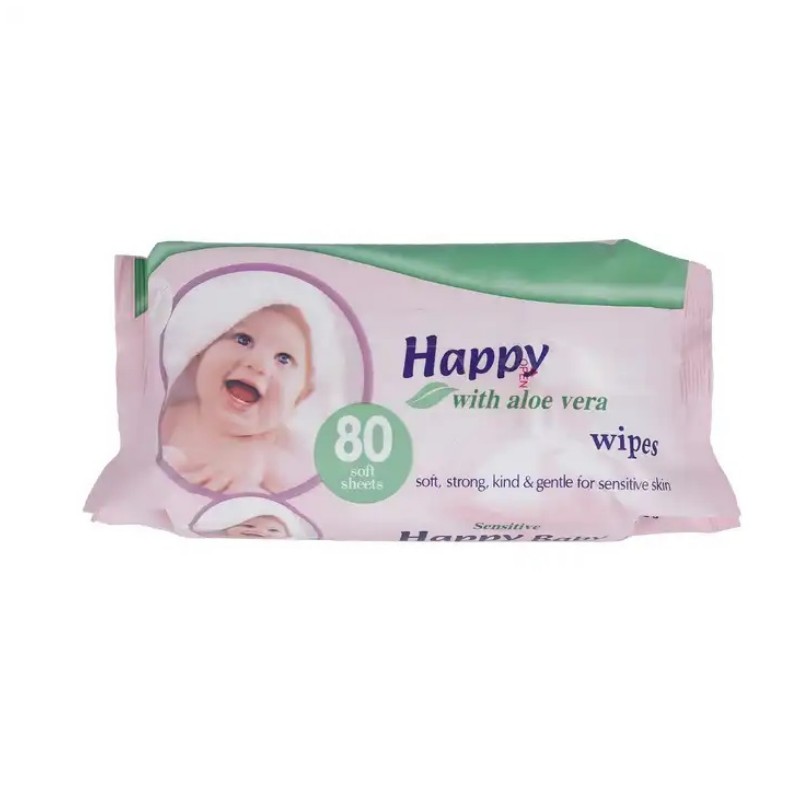
دستمال مرطوب شخصی
-
یکبار مصرف یکبار مصرف یکبار بافته شده برای ماسک پاک کننده آرایش
معرفی حق بیمه ما آسان نیست ، لنت های پنبه آرایش بدونفت
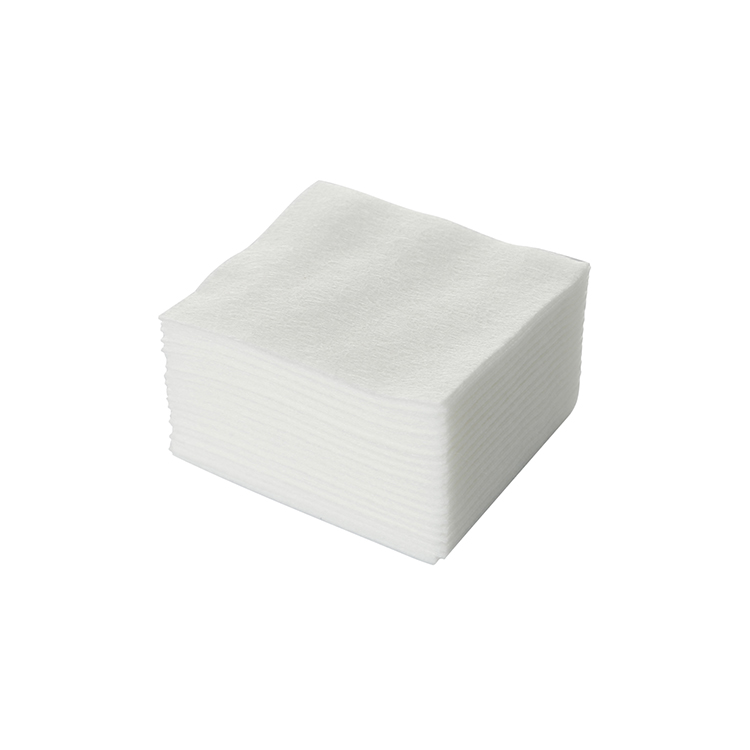
پد پنبه ای را تشکیل دهید
-
رول دفع کننده غیر بافته شده برای بدن و صورت برای بدن و صورت
با معرفی رول دپلوری غیر بافته شده مقاوم در برابر اشک ،
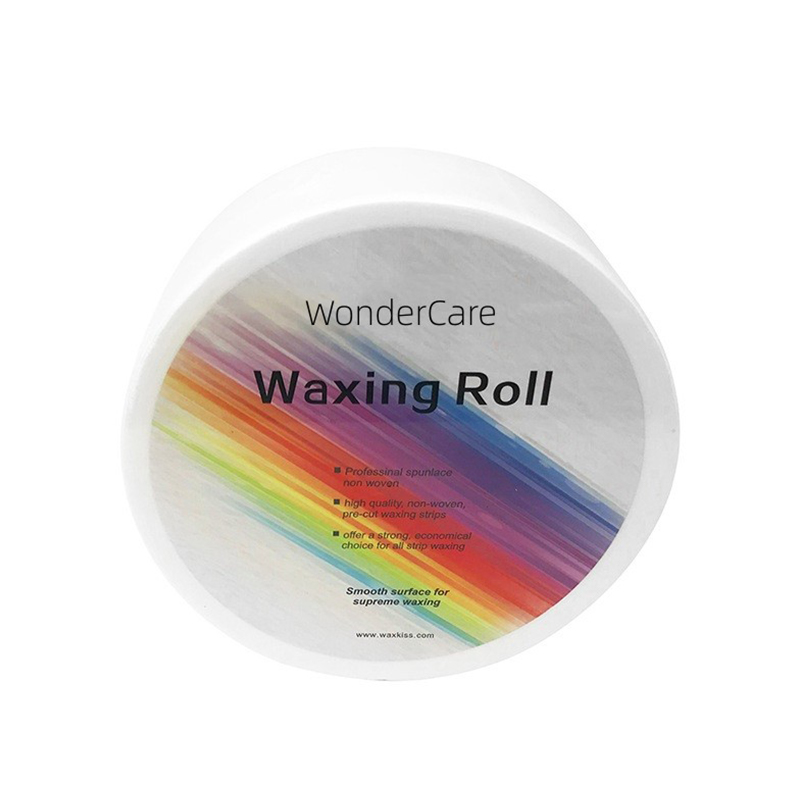
نوارهای دفع
-
نوارهای غیر قابل حمل بدون بافته شده سطح صاف برای همه پوست
با معرفی نوارهای غیر قابل حمل بدونفته سطح صاف ما ، راه
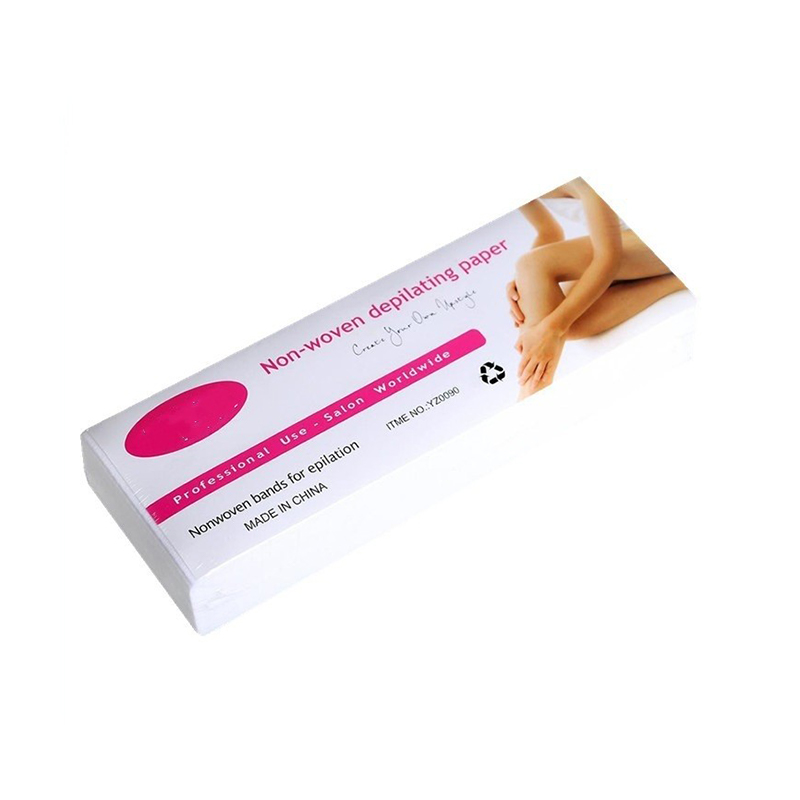
نوارهای دفع
ارسال بازخورد
مراقبت شخصی تولیدکنندگان
مراقبت شخصی
مراقبت های شخصی شامل طیف گسترده ای از محصولات طراحی شده برای حفظ بهداشت شخصی ، تقویت ظاهر و ارتقاء بهزیستی کلی است. این گروه شامل مواردی از قبیل دستمال مرطوب شخصی ، لنت های پنبه آرایش و نوارهای دپلیلا است که برای کارهای روزمره نظافت ضروری است. دستمال مرطوب شخصی یک راه حل مناسب برای پاکسازی و طراوت پوست و اطمینان از بهداشت در حال انجام است. لنت های پنبه آرایش برای استفاده و از بین بردن مواد آرایشی ، تسهیل یک کاربرد تمیز و صاف و در عین حال در حذف آرایش ، خاک و روغن ها بسیار مهم هستند. نوارهای Depilation یک روش مؤثر برای برداشتن مو ارائه می دهد و نتایج صاف و ماندگار را ارائه می دهد.
این محصولات با تأکید بر راحتی ، اثربخشی و سازگاری پوست ، نیازهای متنوع مصرف کننده را تأمین می کنند. نوآوری های موجود در این گروه اغلب بر افزایش تجربه کاربر از طریق مواد بهبود یافته ، گزینه های سازگار با محیط زیست و فرمولادی هایی که از پوست حساس استفاده می کنند ، تمرکز دارند. بازار مراقبت های شخصی با افزایش آگاهی از بهداشت ، رشد آگاهی زیبایی و تقاضا برای راه حل های نظافت زمان صرفه جویی می شود. از آنجا که مصرف کنندگان همچنان در اولویت بندی سلامتی شخصی قرار می گیرند ، دسته مراقبت های شخصی بسیار حیاتی است و با روندها و پیشرفت های فناوری برای برآورده کردن ترجیحات و سبک های در حال تحول سازگار است. $ $
شرکت Jiaxing Hongjie Commodity ، Ltd
شرکت Jiaxing Hongjie Commodity ، Ltd ، یک شرکت در حال ترکیب صنعت و تجارت. این کارخانه در شهر جیاکسینگ ، استان ژجیانگ ، مجاور شانگهای و هانگژو واقع شده است. این شرکت متعهد به تولید محصولات مختلف غیر بافته شده ، از جمله پارچه های تمیز کننده غیر بافته ، دستمال مرطوب غیر بافته شده ، MOP های غیر بافته شده ، Dusters یکبار مصرف و سایر محصولات غیر بافته شده است.
این شرکت دارای بیش از 10 خط تولید RAG ، 2 خط تولید دستمال مرطوب کاملاً اتوماتیک ، خطوط تولید Duster و چندین خط تولید محصول دیگر است. آنها عمدتاً به ده ها کشور مانند ایالات متحده ، اروپا ، ژاپن ، کره جنوبی ، استرالیا و آسیای جنوب شرقی صادر می شوند. در بین مشتریان تعاونی ، بسیاری از سوپر مارکت های مشهور و خرید مشتری در داخل و خارج از کشور وجود دارد. مجموعه کاملی از فرآیندهای تولید و تئوری های مدیریت به ما امکان می دهد تا از کیفیت و قابلیت عرضه پایدار برخوردار باشیم و از مشتریان تمجید کنیم. در عین حال ، ما همچنین از مشتریان جدید برای پرس و جو و بازدید از کارخانه خود استقبال می کنیم و مشتاقانه منتظر ایجاد همکاری های طولانی مدت با شما هستیم.

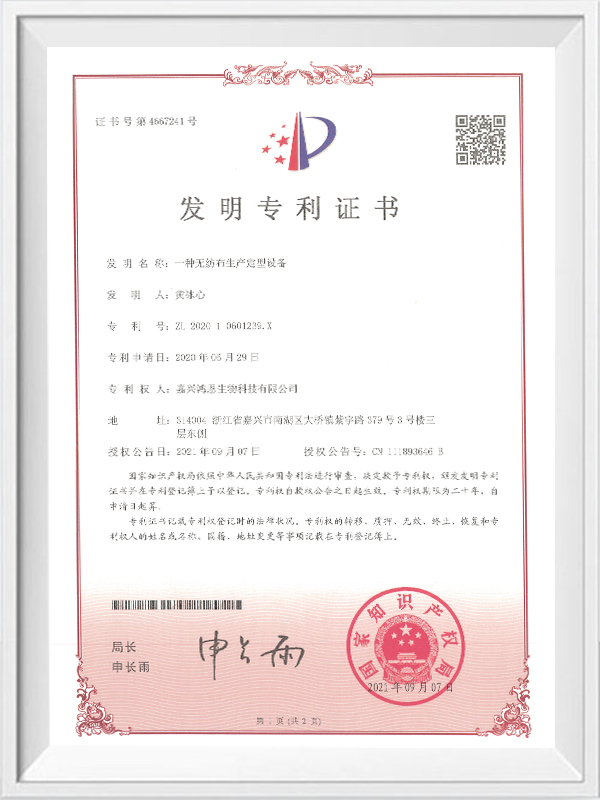
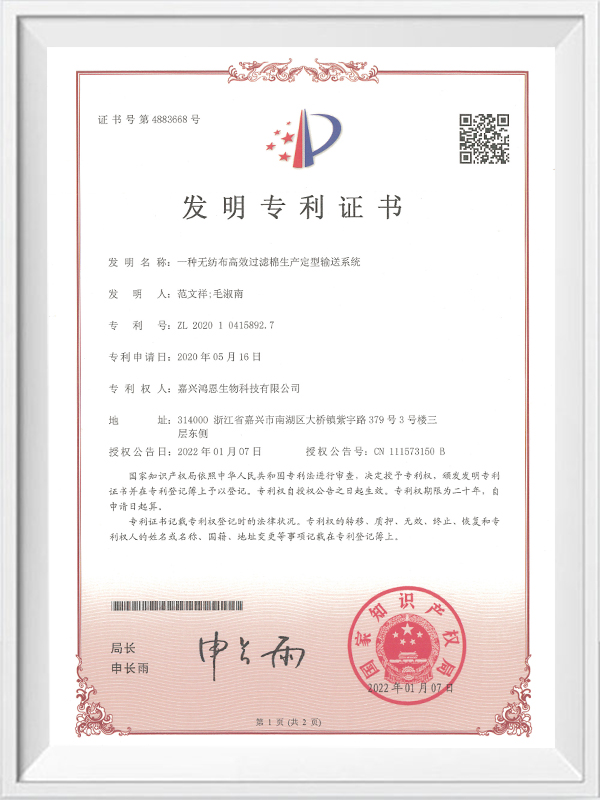
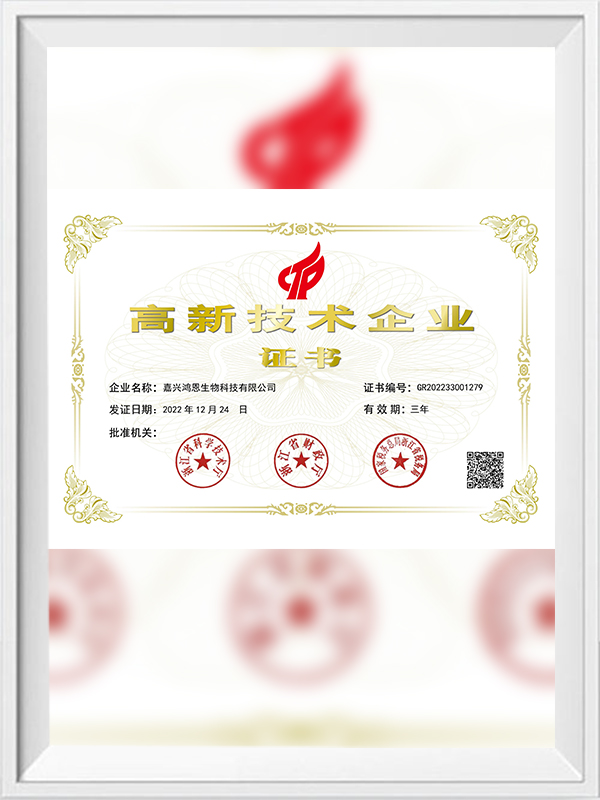
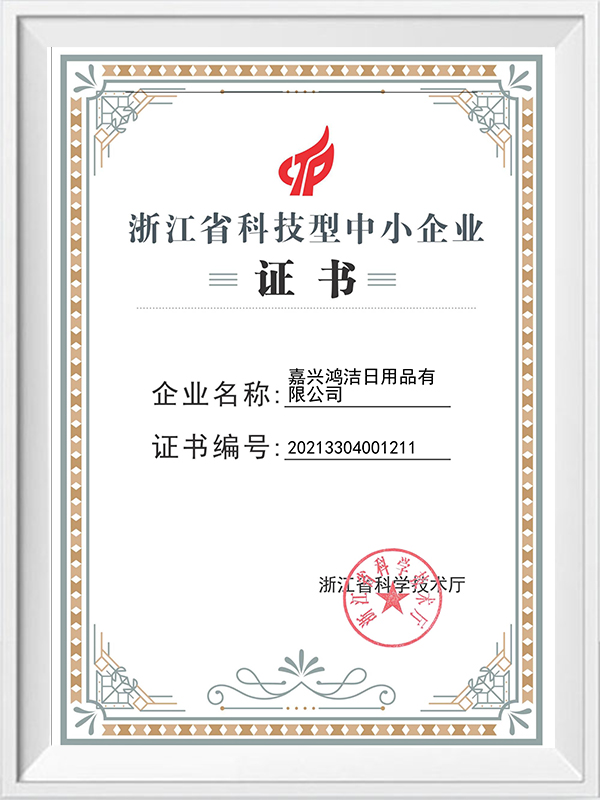
تأیید شده توسط
کیفیت معتبر معتبر به طور طبیعی برجسته است و از هیچ مقایسه ای نمی ترسد.
ما بر روی تمیز کردن با کیفیت بالا تمرکز می کنیم و به صدور گواهینامه کیفیت محصول اهمیت زیادی می دهیم. به منظور اجازه دادن به مشتریان محصولات خود را با اعتماد به نفس انتخاب می کنیم ، ما همچنان برای بهبود کیفیت محصول ، محصولات و خدمات بهتری به مشتریان ارائه می دهیم و به طور فعال از توسعه سیستم مدیریت کیفیت پشتیبانی می کنیم.

مرکز اخبار
-
2026-03-20
بازار جهانی دستمال مرطوب 2026: روندها، رشد و بینش های کلیدی
بازار جهانی دستمال مرطوب از 5.6 میلیارد دلار در سال 2026 فراتر رفت که ناشی از تقاضای بهداشت و فشار پایدار است را دستمال مرطوب جهانی ...
-
2026-03-11
دستکش های یکبار مصرف: مواد، رتبه بندی AQL و راهنمای خرید
دستکش یکبار مصرف محافظ دست یکبار مصرف هستند که برای ایجاد مانعی بین پوست کاربر و مواد خطرناک، آلایندهها یا عوامل عفونی طراحی شدهاند. ...
-
2026-03-06
دستمال مرطوب: انواع، مواد تشکیل دهنده، ایمنی و انتخاب مناسب
دستمال مرطوب یکی از همه کاره ترین محصولات بهداشتی و پاک کننده موجود است – اما انتخاب نوع مناسب اهمیت دارد دستمال مرطوب پارچه ها ی...
-
2026-02-27
گردگیرهای فیبر: انواع، نحوه کار و نحوه انتخاب
گردگیرهای الیافی ابزارهای تمیزکننده ای هستند که از الیاف ریز و مهندسی شده ویژه برای جذب، به دام انداختن و نگه داشتن ذرات گرد و غ...
-
2026-02-19
پدهای دستشویی یکبار مصرف: انواع، مزایا و انتخاب گزینه مناسب
آشنایی با پدهای یکبار مصرف پدهای یکبار مصرف یک محلول تمیز کننده راحت و بهداشتی ارائه دهید که نیاز به شستشو و نگهداری پدهای قابل ا...
دانش صنعت
Environmental Solutions for Personal Care Products
As the global focus on sustainability continues to grow, the personal care industry is under increasing pressure to develop products that are not only effective but also environmentally friendly. Consumers are becoming more conscious of the impact their daily routines have on the planet, leading to a rising demand for eco-friendly personal care products. Companies in the industry are responding by innovating with materials, formulations, and packaging that reduce environmental impact while still delivering quality and convenience.
Eco-Friendly Materials:One of the most significant shifts in the personal care industry is the move toward eco-friendly materials. Traditional products, such as personal wipes, makeup pads, and depilation strips, have often been made from synthetic materials that are not biodegradable and contribute to landfill waste. To combat this, manufacturers are increasingly using natural fibers and biodegradable materials. For instance, personal wipes made from bamboo, cotton, or other plant-based fibers decompose more quickly and are less harmful to the environment than those made from synthetic materials.
JIAXING HONGJIE COMMODITY Co., LTD, known for its production of non-woven products, is among the companies adopting these eco-friendly materials. By integrating natural fibers into their products, they help reduce the environmental footprint of daily personal care routines.
Sustainable Packaging:Packaging is another critical area where personal care companies are making strides. Traditional plastic packaging is a significant contributor to environmental pollution, with many products ending up in oceans and landfills. To address this issue, companies are turning to sustainable packaging solutions such as recyclable, biodegradable, or compostable materials. Some brands are also experimenting with reusable packaging or offering refill options to minimize waste.
Clean and Green Formulations:The ingredients used in personal care products are under increasing scrutiny from environmentally conscious consumers. Many traditional products contain chemicals that can be harmful to both human health and the environment. As a response, there has been a significant shift towards clean and green formulations—products made with natural, non-toxic ingredients that are safe for both the user and the environment.
Innovative formulations now include plant-based ingredients, essential oils, and other naturally derived substances. These ingredients are not only gentler on the skin but also break down more easily in the environment, reducing their ecological impact. Additionally, companies are moving away from using microplastics and other non-biodegradable substances in their products, which have been shown to cause significant harm to marine life.
Water Conservation:Water is a precious resource, and the personal care industry is exploring ways to minimize water usage in product formulation and manufacturing processes. Waterless beauty products, such as solid shampoos, conditioners, and lotions, are becoming more popular. These products not only reduce water consumption but also often come in minimal packaging, further reducing their environmental impact.
Moreover, companies are investing in water-efficient manufacturing processes, using less water in production, and recycling wastewater where possible. This approach not only conserves water but also reduces the energy needed to process and transport products.
Ethical and Sustainable Sourcing:Sustainability in personal care also extends to how ingredients are sourced. Ethical sourcing involves obtaining raw materials in ways that respect the environment, biodiversity, and the communities that produce them. This includes using ingredients from sustainable agriculture, supporting fair trade practices, and ensuring that no harm is done to ecosystems during the harvesting process.
Consumer Awareness and Education:Educating consumers about the environmental impact of their personal care choices is crucial for driving change. Many companies are now transparent about their sustainability practices, providing information on their websites and packaging about the environmental benefits of their products. This transparency helps consumers make informed decisions and encourages them to choose products that align with their values.
Brands that actively engage in environmental campaigns and certifications, such as the Environmental Working Group (EWG) or Leaping Bunny, which certifies cruelty-free products, build trust with eco-conscious consumers and reinforce their commitment to sustainability.
The personal care industry is undergoing a transformation as it embraces environmental solutions that cater to the growing demand for sustainable products. From using eco-friendly materials and sustainable packaging to developing clean formulations and promoting ethical sourcing, companies are making significant strides in reducing their environmental impact. As these innovations continue to evolve, the industry is set to play a crucial role in promoting a healthier planet while still meeting the needs of consumers for effective and convenient personal care solutions.
Personal Care Product Adjustments for Sensitive Skin
Sensitive skin demands special care, as it is prone to irritation from harsh ingredients and environmental factors. To maintain healthy, comfortable skin, it's important to make thoughtful adjustments to your personal care routine. Here are some key strategies to consider:
Choose Gentle, Hypoallergenic Products
Selecting products specifically formulated for sensitive skin is crucial. Look for labels that say "fragrance-free," "dye-free," and "hypoallergenic." These products are designed to minimize the risk of allergic reactions and irritation by avoiding common irritants such as perfumes and synthetic dyes.
Opt for Natural and Minimal Ingredients
For those with sensitive skin, simpler is often better. Products with fewer ingredients reduce the chances of irritation. Natural ingredients like aloe vera, chamomile, and oat extract are known for their soothing properties and are excellent choices. Avoid products with synthetic fragrances, harsh preservatives, and other potentially irritating chemicals.
Patch Testing New Products
Before fully incorporating a new product into your routine, it's wise to conduct a patch test. Apply a small amount of the product to an inconspicuous area, like behind your ear or on your wrist, and wait 24-48 hours. This can help prevent widespread irritation and ensure the product is safe for regular use on sensitive skin.
Use pH-Balanced Products
The skin's natural pH is slightly acidic, around 5.5, which helps protect against harmful bacteria and environmental stressors. Products that are too alkaline can disrupt this balance, leading to irritation and dryness. Choose pH-balanced products that align with your skin's natural acidity to help maintain a healthy skin barrier.
Incorporate Soothing Ingredients
Soothing ingredients can help calm sensitive skin and strengthen its protective barrier. Look for products that contain ceramides, glycerin, and hyaluronic acid. These ingredients help to hydrate the skin, reduce inflammation, and protect against environmental damage.
Avoid Common Irritants
Sensitive skin can react to a variety of triggers, including extreme temperatures, harsh exfoliants, and abrasive personal care tools. Avoid using very hot water when cleansing, as it can strip the skin of its natural oils. Instead, use lukewarm water and gentle, non-abrasive tools to avoid aggravating your skin.
Choose Gentle Sun Protection
Sun protection is vital for all skin types, but sensitive skin is particularly susceptible to sunburn and irritation. Opt for broad-spectrum sunscreens with physical blockers like zinc oxide or titanium dioxide, which are less likely to cause irritation compared to chemical sunscreens.
Introduce New Products Gradually
When adding new products to your routine, introduce them one at a time. This allows your skin to adjust and helps you identify any potential irritants. Gradual introduction also minimizes the risk of overwhelming sensitive skin with too many changes at once.
Emphasize Moisturization
Sensitive skin often struggles with dryness, which can exacerbate irritation. Keep your skin well-moisturized with products that are free from fragrances and other potential irritants. Ingredients like shea butter, squalane, and hyaluronic acid are particularly effective in maintaining hydration and protecting the skin barrier.
Caring for sensitive skin requires a deliberate and informed approach to personal care. By selecting hypoallergenic, pH-balanced products, incorporating soothing ingredients, and avoiding common irritants, you can create a skincare routine that supports your skin's health and comfort. With these adjustments, sensitive skin can be nurtured and protected, allowing you to enjoy a clear, calm, and radiant complexion.

شرکت Jiaxing Hongjie Commodity ، Ltd is located near Shanghai and Hangzhou in Jiaxing City, Zhejiang Province, China. We are trading& manufactory company. our factory and office are in Jiaxing city.
محصولات و خدمات
با ما تماس بگیرید
-

کارخانه اضافه کردن طبقه 3 ، Bldg 3 ، No.379 جاده Ziyu ، منطقه صنعتی Daqiao ، Jiaxing ، Zhejiang ، چین.
-

+86-573-82313085
-

+86-573-82313085
-

کپی رایت © شرکت Jiaxing Hongjie Commodity ، Ltd
The information provided on this website is intended for use only in countries and jurisdictions outside of the People's Republic of China.
